
马礼逊宣教策略的探讨
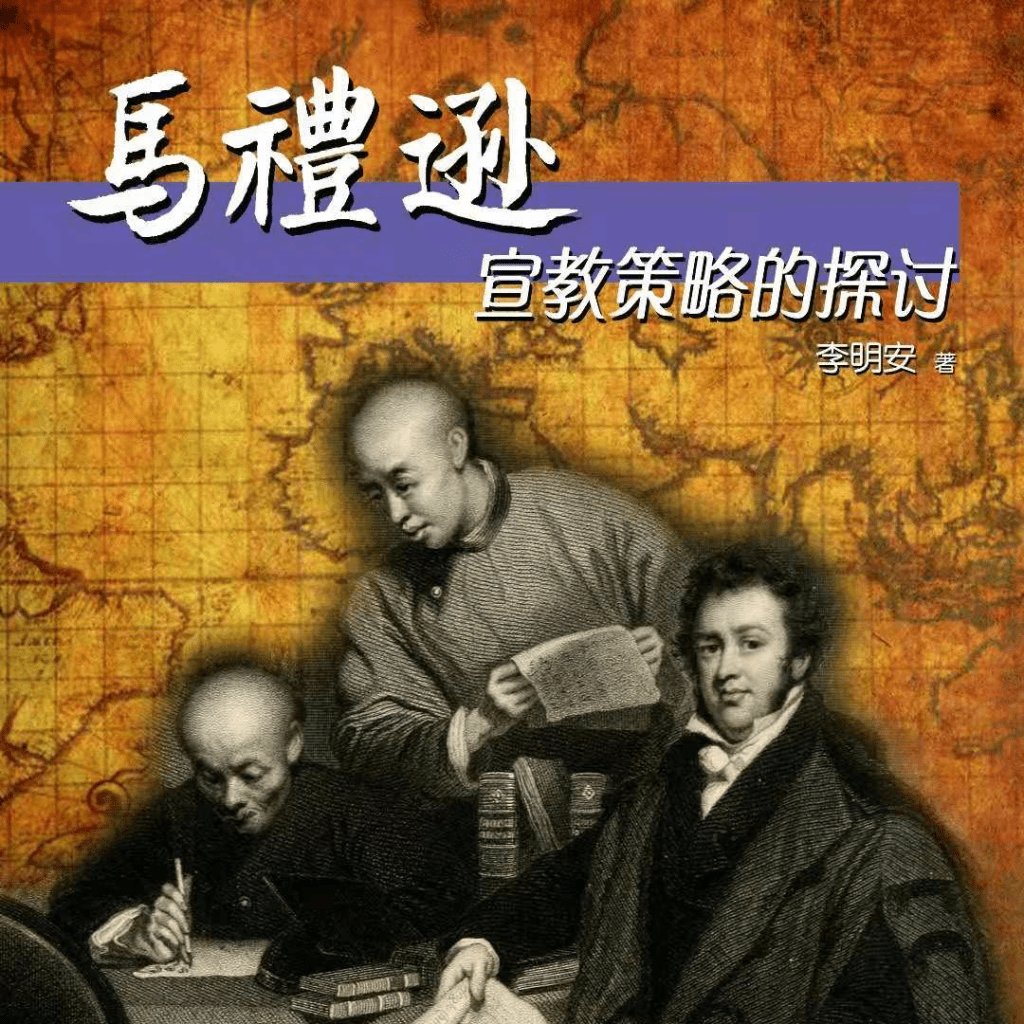
I independently translated the 100,000-word book A Critical Analysis of Robert Morrison’s Mission Strategy in China and Malacca from English to Chinese. This comprehensive project involved several critical steps to ensure a high-quality translation
In-depth Understanding
I thoroughly studied the original English text to grasp its nuanced arguments, historical context, and critical perspectives on Robert Morrison’s mission strategies.
Language Precision
Paid meticulous attention to linguistic details to ensure the translation retained the original’s clarity and depth. This involved careful selection of terminology and phrasing to reflect the subject’s academic tone and complexity.
Consistency
Maintained consistency throughout the translation by creating a glossary of key terms and concepts used in the book. This was crucial for preserving the integrity of the author’s arguments and ensuring the reader’s comprehension.
Cultural Sensitivity
Adapted the translation to suit the cultural and linguistic context of Chinese readers while preserving the original’s intent and scholarly rigor.
Excerpt
Conflicts in Cross-Cultural Missions
Most of the Bible scholars, theologians, and missiologists acknowledge the differences between cultures. If these differences are not dealt with tactfully, they will create confusions, will cause tensions, and finally will erupt into conflicts. Incidents of the cultural conflict not only happen in the mission history, they still exist in the contemporary mission field, especially in the cross-cultural settings. Fortunately, the reality of the cultural conflict has become a driving force to promote the study and research of cross-cultural missions.
Complying with the request of the International Missionary Council, Hendrick Kraemer has written The Christian Message In a Non-Christian World, to serve as main materials for the World Missionary Conference at Tambaran, India in 1938. In the first chapter on “A World In Transition,” Kraemer warns his readers that “we are undoubtedly living in a time when a colossal and unprecedented process of material and spiritual interpenetration of life and of cultural change is taking place; this process realizes itself, even though or in spite of great antagonisms and conflicts” (4). Even though both the West and the East have their shares of crisis, but the Eastern crisis is more serious due to the penetration of the West into the East. It did not merely “mean a peaceful religious and cultural penetration, such as for instance Buddhism accomplished in Japan and China, but also a political, social, and cultural conquest” (17).
Unfortunately, the penetration or the conquest of the West to the East is closely related to the Christian missions. In his article, “Christian Mission and Colonial Expansion-Historical and Structural Connection,” Horst Grunder quotes a statement from Harry Hamilton Johnson , an English explorer, who says: “In fact, hardly any explorer or conquistador sailed without chaplains in his company, who raised the cross and preach Christianity as soon as they set foot on the shore”. Johnson, who is also a colonial promoter and functionary, made this statement in the late nineteenth century to “pay tribute to the close connection between the extension of Christian missions and the expansion of European power—a connection that, indeed, can hardly be denied historically” (Grunder, 18). According to Grunder, Christian missionaries of all creeds and denominations were united in the common belief that European expansionism was “a manifestation of God’s decree to spread his kingdom in the world, and a means of fulfilling Providence” (19).
Due to the cooperation with the colonial government, the missionaries were unable to accept the subjected people’s resistance. Any resistance will be condemned as rebellion against God’s given authorities, which the new “white masters perceived themselves to be” (20). Sorry to say that the missionaries did very little to dismiss “the impression of inner (colonial administration) and outer (Christian missions) invaders” (21). Consequently, Christianity was alleged as the ideological and ritual phenomenon accompanying Western imperialism. Grunder points out that the colonially invaded peoples were reacted heatedly toward the West in the area of religious and cultural conflicts. As a Kikuyu proverb puts it: “One white man gets you on your knees in prayer, while the others steals your land.” No wonder most of the Chinese still believe: “To be a Christian is to be a dog for the Imperialists!”
In his book, Message and Mission: The Communication of Christian Faith, Eugene A. Nida thinks that the lack of correspondence between cultures (42) and participants (45) could be the main cause for cultural conflicts. Regarding the history of the tension between the Church and culture, Nida refers to a significant analysis offered by Richard Niebuhr, who distinguishes three major positions as follows (208):
1. Christ against culture: the synthesists, who look upon Christianity as the fulfillment and restorer of human values.
2. Christ of culture: the dualists, who contend that man is subject to two moralities and must live in this tension.
3. Christ above culture: the conversionists, who believe that God comes to man within his culture in order to transform man and through him the culture.
跨文化宣教中的冲突
大多数圣经学者、神学家和宣教学家都承认文化之间的差异。如果未能策略性地处理这样的差异,可能会造成误会、引发紧张局面,并最终导致冲突。文化冲突事件不仅在宣教历史上发生过,在当代宣教禾场上也仍然存在,尤其是在跨文化背景下。所幸,文化冲突现象正推动跨文化宣教研究进一步发展。
1938年,世界宣教会议在印度巴拉姆(Tambaran)召开。配合国际宣教协会(International Missionary Council)的请求,亨德理克•克雷默(Hendrick Kraemer)撰写了《基督圣道与异教世界》(The Christian Message In a Non-Christian World)一书,作为会议主要参考资料。在第一章“转型中的世界”中,克雷默警醒读者:“毫无疑问,我们正生活在一个前所未有的信息膨胀时代,对物质和精神生活的诠释不断涌现,文化瞬息万变。这个变化过程正逐渐完成,虽然或即便它伴随着巨大的对立和冲突”(页14)。虽然西方和东方有着同样的危机,但由于西方对东方的渗透,东方面临的危机更为严重。这不仅意味着“宗教与文化的和平渗透,比如佛教在日本和中国的成功传播,也意味着政治、社会和文化层面的占领”(页17)。
不幸的是,西方对东方的渗透或占领与基督宣教息息相关。在〈基督宣教与殖民扩张的历史性和结构性联系〉(Christian Mission and Colonial Expansion-Historical and Structural Connection)一文中,霍斯特・格伦德(Horst Grunder)引用了英国探险家哈里·约翰斯顿(Harry Hamilton Johnson)的话:“事实上,几乎所有探险家或征服者远航都会带上一个牧师,他们一登陆便举起十字架,宣扬基督教。”约翰斯顿自己也是殖民推动者和政府官员,他在十九世纪晚期发表的这番言论是为了“纪念基督宣教和欧洲权力扩张的紧密联系,这种联系在历史上的确不可否认” (格伦德,页18)。据格伦德所言,各宗派的基督宣教士对这一信念都坚定一致,即欧洲扩张主义“体现了神在世界宣扬天国的教义,是完成天命的途径” (页19)。
由于是与殖民政府合作,宣教士无法接受当地受众的抵触。任何抵触行为都会被视为对神赋权威的反叛,而新晋的“白人主子正将自己看成这样的权威” (页20)。很遗憾,宣教士们几乎未有采取任何措施来消解当地人对于侵略者在内(殖民管理)在外(基督宣教)的印象(页21)。结果,基督教被视为西方帝国主义的意识形态和文化风俗体现。格伦德指出,受侵略的被殖民者在宗教和文化方面对西方反应强烈。如同吉库尤人的俗语:“一个白人让你跪在地上祷告,另一个白人偷窃你的土地。”难怪大多数中国人仍然相信:“成为基督徒就是当帝国主义的走狗!”
在《信息与宣教:传递基督信仰的表达》(Message and Mission: The Communication of Christian Faith)一书中,尤金·奈达(Eugene A. Nida)认为文化(页42)和文化参与者(页45)之间缺乏连接 或为文化冲突的主要原因。就教会和文化的冲突历史来讲,奈达引用了理查德·尼布尔(Richard Niebuhr)的著名分析,后者将之分成如下三种情况(页208):
1. 基督与文化相对:综合论者持这种观念,他们将基督教视为对人类价值观的圆满和修复。
2. 基督在文化之中:二元论者持这种观念,他们主张人类同时受两种道德观制约,必活在两者的张力之间。
3. 基督超越文化:归信者持这种观念,他们相信神在文化中与人相遇,翻转人,并通过人翻转文化。
 Angel Yang
Leave a comment